| Category | SEO |
|---|---|
| Type | Doc |
| Last Modified | 15 December 2025 |
| Location | Assets (SEO) > ASSETS – Content |
(Template) XYZ – Authoritative Content Strategy
Table of
Contents—
Summary—
We have created an Authoritative Content Strategy for XYZ that will increase site authority and page rank site-wide by increasing trust with Google and by delivering content tailored to real user search intent.
Build Pillar Pages and Subtopic Pages that are interlinked to create a Topic Cluster that will build authority around that topic.
Goal—
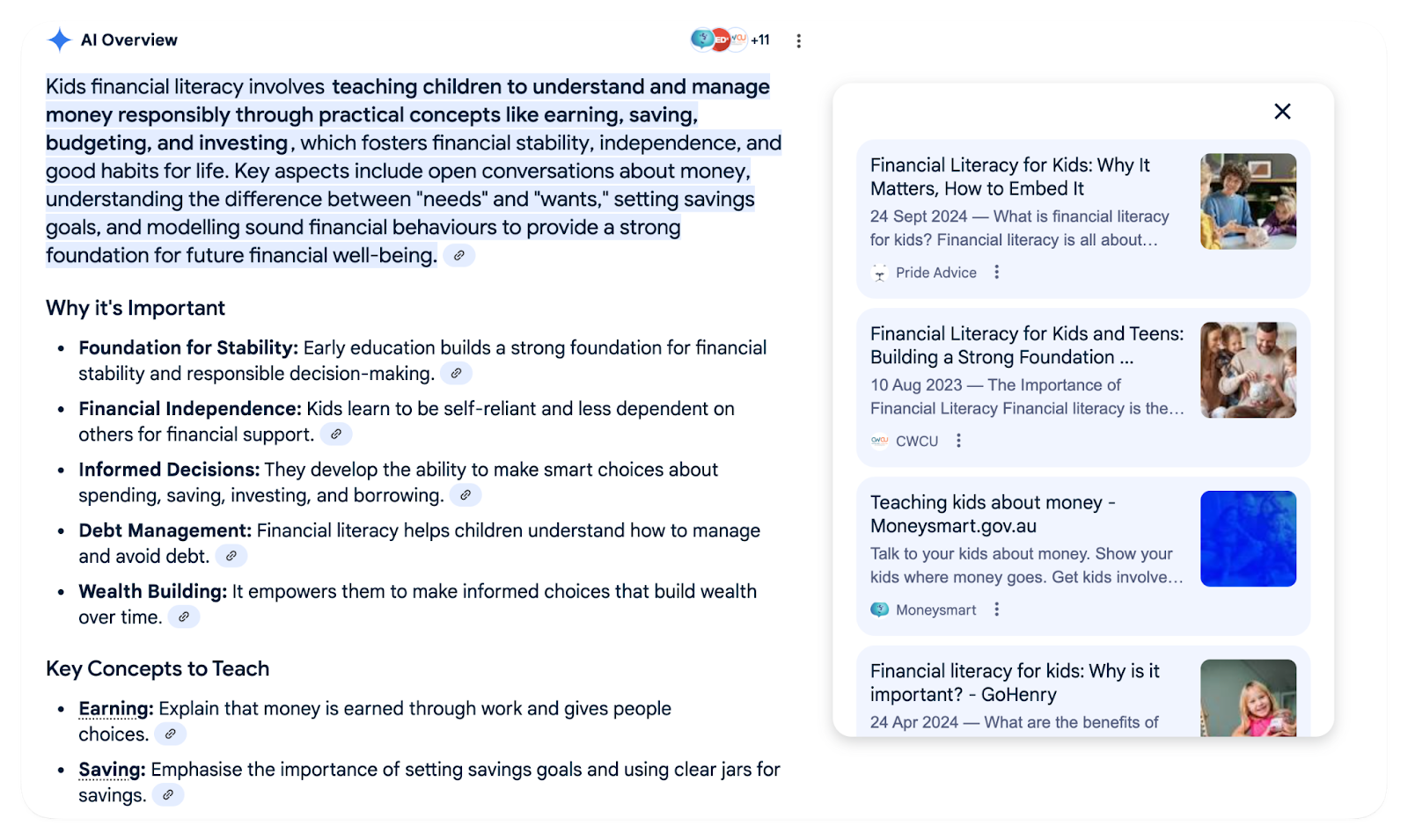
AI Overviews
People Also Asked
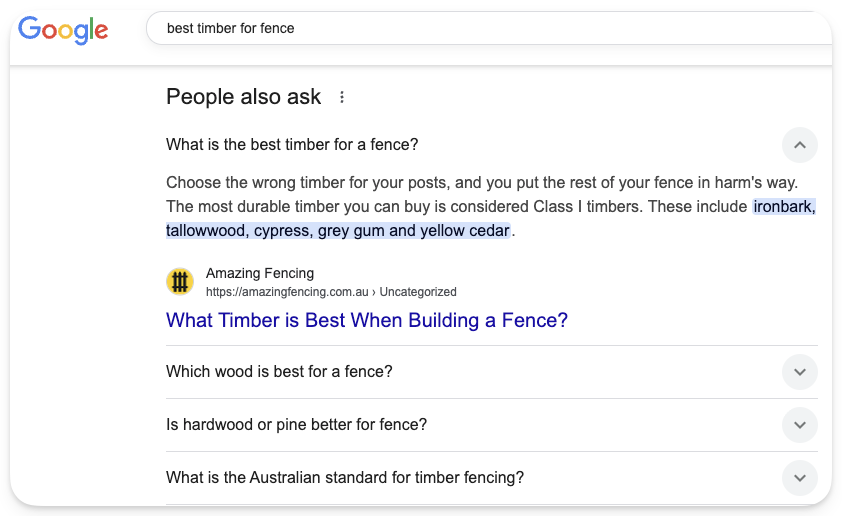
Source: Google Search “best timber fence” 22/08/2025
We have developed an authoritative strategy, created a content plan, and provided writing guidelines that will collectively contribute to increasing the site’s authority and work towards content optimisation for LLMs and search engines, via topic clusters and contextualisation.
Content Authorship
When publishing a pillar page, having a credible author will significantly increase its authority.
Ideally, the content should be published under the name of an author with proven experience or expertise in the subject matter, as this is a major factor Google considers when looking at Site authority.
Google further considers factors such as:
- Is the author an expert or someone knowledgeable on the topic?
- Have they created content around that topic before?
- Do other sites or sources cite the author's name or link to them?
For your convenience, we have put together a slideshow/deck on how to create an author page.
First Step —
The Pillar Page
This will be the centre of the content strategy. The idea behind the Pillar Page is essentially to create a large blog page that encapsulates the entirety of a targeted topic. 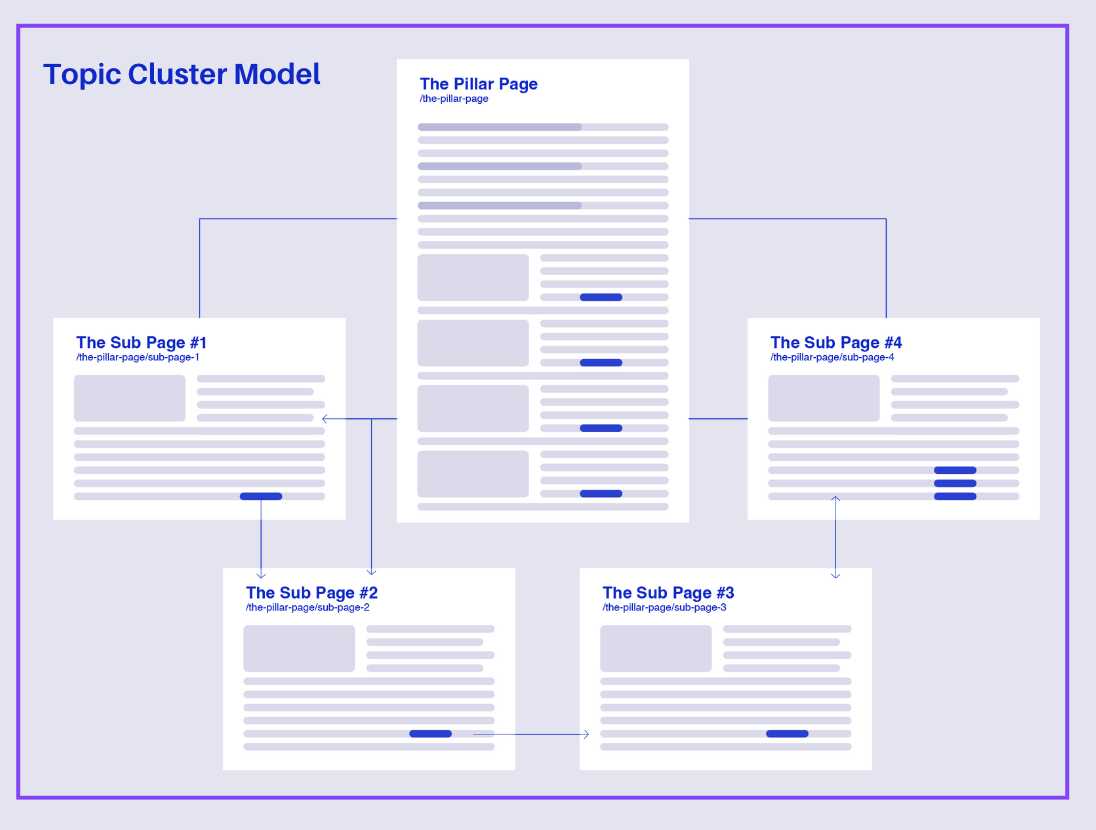
The Pillar Page will broadly cover the topic as a whole by addressing frequently asked questions, searches, and other relevant information, which will then have links to more detailed information about the specific subtopic/question being covered.
The page will be structured with a table of contents at the top, allowing users to jump to the relevant information that they are seeking on the page, and subheadings that indicate different subtopics.
Interlinking will be performed within these subtopics to direct users to more in-depth information on the topic, as well as the direct authority to which it needs to go.
Sub-topic/general blog pages
Additional pages, i.e. blogs, will be created to explore subtopics in more detail. These pages will expand on key questions related to the Pillar Page topic and link back to it to build authority.
Second Step—
Content Map
Pillar Page
We have selected the pillar page to be built around the topic of ‘QWERTY’
Our recommended pillar page title will be:
‘The Ultimate Guide To….’
Note:
As we move forward, we can select additional topics to build Pillar Pages around. But, before that, we will focus on adding more subtopic pages that can be linked to the pillar page.
Questions to be addressed on the pillar page
Please note:
You can skip or add relevant questions of your own.
The questions listed below can be built into individual blog pages.
OR
Please note:
You can skip or add relevant questions of your own.
The questions listed below can be built into individual blog pages.
We have highlighted some questions that can take priority.
- Why is it important for kids to learn about money?
Existing blog content that can be included in the pillar page
This should only be a brief answer, as we will link to the full blog pages that have already been created.
Blog
| URL
|
|---|---|
When should your kids get their first job? | |
Third Step—
The Content Creation
Content will be created for the Pillar Page using the provided guidelines for content and structure.
You can find the link to these guidelines at the bottom of this document.
Recommendations—
We suggest that you:
- We suggest that the URL …xyz.com.au/blog/… be created for the main blog page.
- Build the ‘The Ultimate Guide To ’ pillar page with the URL:
…/blog/guide-to-xxxxx/…
- On the Pillar Page, attempt to answer as many questions listed above as possible.
OR
- - - If blog page exists- - - -
- Build the ‘The Ultimate Guide To XXXX’ page with the URL:…/guide-to-xxxx/…
- On the Pillar Page, attempt to answer as many of the questions listed above as possible.
We will then move to adjust content and interlink existing content pages according to our topic cluster model and plan out future Pillar Pages.
Research Data and Resources —
The content data and information can be found here:
The content guidelines can be found here:
Guidelines for creating author pages
x